


Our SEND Offer
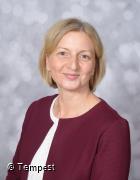
Our Special Needs and Disabilities Coordinator (SENDCo) is Mrs Hayley McNamee
- BA (Hons) Primary Education with Mathematics
- National Award for Special Educational Needs Co-ordination
- Post Graduate Certificate for Vulnerable Learners and Inclusion
Our Vision
Our vision for children with special educational needs and disabilities (SEND) is the same as for all children. We want every child to feel safe, valued and included, with the opportunity to achieve their full potential.
At Wrockwardine Wood Infant School & Nursery, we believe that every child is unique and can make progress. We have high aspirations for all our children and aim to develop their confidence, independence and love of learning so that they can go on to lead happy and fulfilling lives.
We are committed to providing an inclusive environment where every child can access a rich, stimulating and ambitious curriculum. We work in partnership with parents and carers, valuing their knowledge of their child and involving them in decisions about support and progress.
How We Support Children with SEND
We recognise that children develop and learn at different rates and in different ways. We are committed to identifying needs as early as possible and putting appropriate support in place promptly.
We monitor children's progress carefully and adapt our teaching and provision to meet individual needs. Support may include adapted learning activities, additional resources, targeted interventions, changes to the learning environment and advice from specialist professionals where appropriate.
We work closely with parents and carers, the local authority, health professionals and other relevant services to ensure that children receive appropriate support. We regularly review the effectiveness of this support and celebrate every child's achievements.
Our approach is guided by the Special Educational Needs and Disability Code of Practice: 0 to 25 years (2015) and relevant equality legislation.
What Are Special Educational Needs and Disabilities?
A child has special educational needs (SEN) if they have a learning difficulty or disability that requires special educational provision to be made for them.
A disability, as defined by the Equality Act 2010, is a physical or mental impairment that has a substantial and long-term adverse effect on a person's ability to carry out normal day-to-day activities.
Some children have SEND, some have a disability, and some meet both definitions. Every child's needs are considered individually.
Learning English as an additional language does not, in itself, mean that a child has SEND. However, we recognise that children learning English may also have additional needs and ensure that these are carefully considered.
The Four Broad Areas of Need
The SEND Code of Practice identifies four broad areas of need. These help us understand children's individual strengths and difficulties and plan appropriate support.
Communication and Interaction
Children may need support with speech, language, understanding, communication or interacting with others. This may include children with speech, language and communication needs or autism.
Cognition and Learning
Children may need additional support to develop knowledge, understanding and learning skills. This may include children with specific learning difficulties or moderate, severe or profound and multiple learning difficulties.
Social, Emotional and Mental Health
Children may need support with emotional regulation, relationships, behaviour or emotional wellbeing. This may include children experiencing anxiety, ADHD or other social, emotional and mental health difficulties.
Sensory and/or Physical Needs
Children may need support because of visual or hearing impairments, physical disabilities, multi-sensory impairments or other sensory or physical needs that affect their access to learning and school life.
Children may have needs in more than one area, and these examples are not exhaustive.
Working in Partnership
We believe that strong partnerships between school, families and professionals are essential in helping children thrive. We listen to parents and carers, value children's views in ways appropriate to their age and development, and work together to identify the best ways to support each child.
Our aim is to ensure that every child feels they belong, is supported to overcome barriers to learning and has the opportunity to flourish.
